Help us inform millions of consumers around the world about what they eat
Please give to our 2026 Fundraiser
Your donations fund the day-to-day operations of our non-profit association:
-
keeping our database open & available to all,
- technical infrastructure (website/mobile app) & a small permanent team
-
remain independent of the food industry,
-
engage a community of committed citizens,
-
support the advancement of public health research.
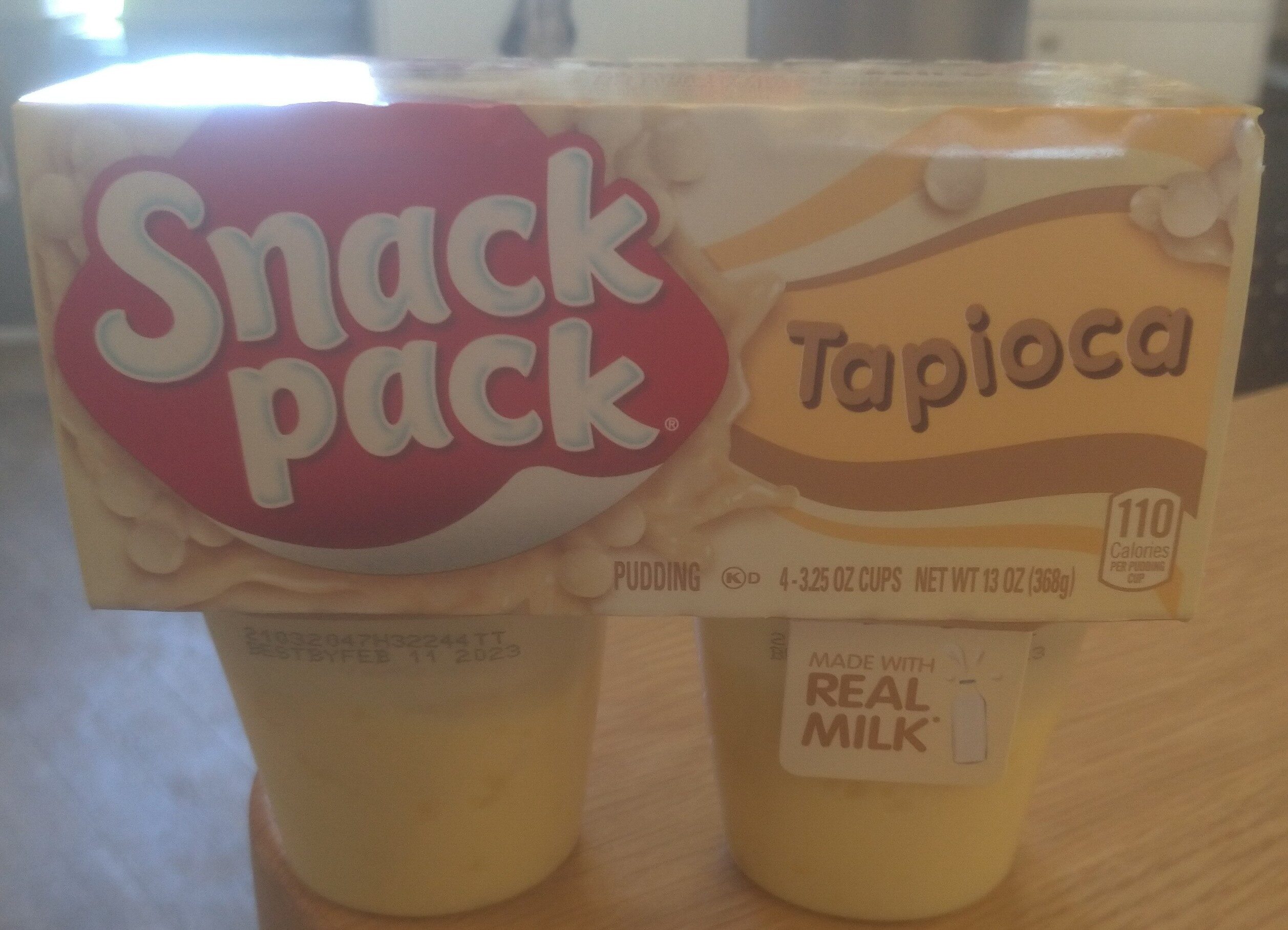
Tapicoa Pudding – Snack Pack – 13 oz
This product page is not complete. You can help to complete it by editing it and adding more data from the photos we have, or by taking more photos using the app for Android or iPhone/iPad. Thank you!
×
Barcode:
0027000419021(EAN / EAN-13) 027000419021 (UPC / UPC-A)
Barcode:
0027000419021(EAN / EAN-13) 027000419021 (UPC / UPC-A)
Common name: Tapicoa Pudding
Quantity: 13 oz
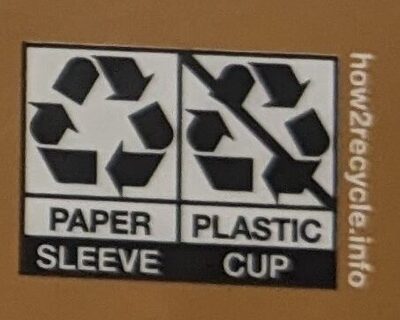
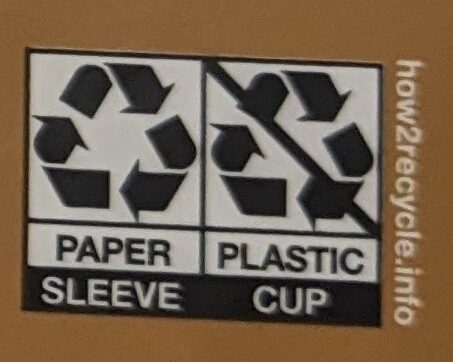
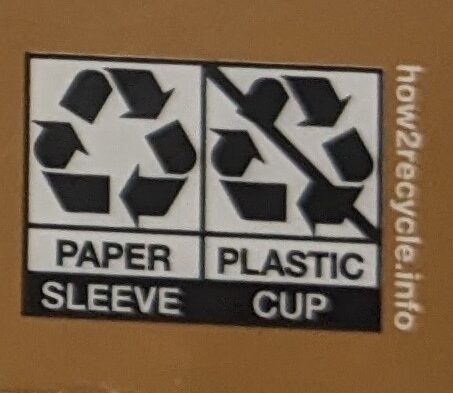
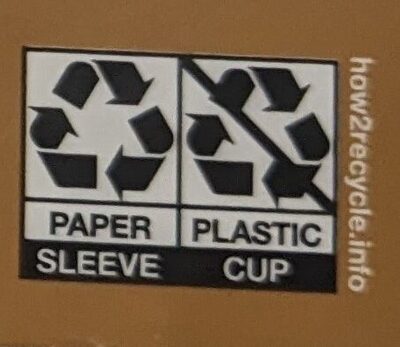
Packaging: Plastic Cup
Brands: Conagra, Snack Pack
Brand owner: Conagra Brands
Categories: Snacks, Desserts, Sweet snacks, Biscuits and cakes, Cakes, Puddings
Labels, certifications, awards: No preservatives
Link to the product page on the official site of the producer: http://www.snackpack.com/products/flavor...
Stores: Safeway
Countries where sold: United States
Matching with your preferences
Health
Nutrition
-
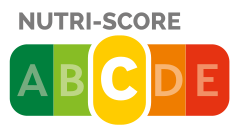
Nutri-Score C
Average nutritional quality
⚠ ️Warning: the amount of fruits, vegetables and nuts is not specified on the label, it was estimated from the list of ingredients: 0-
Discover the new Nutri-Score!
The computation of the Nutri-Score is evolving to provide better recommendations based on the latest scientific evidence.
Main improvements:
- Better score for some fatty fish and oils rich in good fats
- Better score for whole products rich in fiber
- Worse score for products containing a lot of salt or sugar
- Worse score for red meat (compared to poultry)
-
What is the Nutri-Score?
The Nutri-Score is a logo on the overall nutritional quality of products.
The score from A to E is calculated based on nutrients and foods to favor (proteins, fiber, fruits, vegetables and legumes ...) and nutrients to limit (calories, saturated fat, sugars, salt). The score is calculated from the data of the nutrition facts table and the composition data (fruits, vegetables and legumes).
Negative points: 8/55
-
Energy
1/10 points (500kJ)
Energy intakes above energy requirements are associated with increased risks of weight gain, overweight, obesity, and consequently risk of diet-related chronic diseases.
-
Sugar
4/15 points (14.1g)
A high consumption of sugar can cause weight gain and tooth decay. It also augments the risk of type 2 diabetes and cardio-vascular diseases.
-
Saturated fat
2/10 points (2.17g)
A high consumption of fat, especially saturated fats, can raise cholesterol, which increases the risk of heart diseases.
-
Salt
1/20 points (0.31g)
A high consumption of salt (or sodium) can cause raised blood pressure, which can increase the risk of heart disease and stroke.
Positive points: 0/17
-
Proteins
0/7 points (1.09g)
Foods that are rich in proteins are usually rich in calcium or iron which are essential minerals with numerous health benefits.
-
Fiber
0/5 points (1.09g)
Consuming foods rich in fiber (especially whole grain foods) reduces the risks of aerodigestive cancers, cardiovascular diseases, obesity and diabetes.
-
Fruits, vegetables and legumes
0/5 points (0%)
Consuming foods rich in fruits, vegetables and legumes reduces the risks of aerodigestive cancers, cardiovascular diseases, obesity and diabetes.
-
Details of the calculation of the Nutri-Score
⚠ ️Warning: the amount of fruits, vegetables and nuts is not specified on the label, it was estimated from the list of ingredients: 0This product is not considered a beverage for the calculation of the Nutri-Score.
Points for proteins are counted because the negative points are less than 11.
Nutritional score: 8 (8 - 0)
Nutri-Score: C
-
-
Nutrient levels
-
Fat in moderate quantity (3.26%)
What you need to know- A high consumption of fat, especially saturated fats, can raise cholesterol, which increases the risk of heart diseases.
Recommendation: Limit the consumption of fat and saturated fat- Choose products with lower fat and saturated fat content.
-
Saturated fat in moderate quantity (2.17%)
What you need to know- A high consumption of fat, especially saturated fats, can raise cholesterol, which increases the risk of heart diseases.
Recommendation: Limit the consumption of fat and saturated fat- Choose products with lower fat and saturated fat content.
-
Sugars in high quantity (14.1%)
What you need to know- A high consumption of sugar can cause weight gain and tooth decay. It also augments the risk of type 2 diabetes and cardio-vascular diseases.
Recommendation: Limit the consumption of sugar and sugary drinks- Sugary drinks (such as sodas, fruit beverages, and fruit juices and nectars) should be limited as much as possible (no more than 1 glass a day).
- Choose products with lower sugar content and reduce the consumption of products with added sugars.
-
Salt in moderate quantity (0.312%)
What you need to know- A high consumption of salt (or sodium) can cause raised blood pressure, which can increase the risk of heart disease and stroke.
- Many people who have high blood pressure do not know it, as there are often no symptoms.
- Most people consume too much salt (on average 9 to 12 grams per day), around twice the recommended maximum level of intake.
Recommendation: Limit the consumption of salt and salted food- Reduce the quantity of salt used when cooking, and don't salt again at the table.
- Limit the consumption of salty snacks and choose products with lower salt content.
-
-
Nutrition facts
Nutrition facts As sold
for 100 g / 100 mlCompared to: Puddings Energy 500 kJ
(119 kcal)574.783 kj (137 kcal) (-13%) Fat 3.26086956521739 g 3.498 g (-7%) Saturated fat 2.17391304347826 g 2.131 g (+2%) Monounsaturated fat 1.08695652173913 g 1.045 g (+4%) Polyunsaturated fat 0 g 0.51 g (-100%) Trans fat 0 g 0.007 g (-100%) Cholesterol 0 g 9.414 mg (-100%) Carbohydrates 20.6521739130435 g 20.772 g (-1%) Sugars 14.1304347826087 g 12.096 g (+17%) Added sugars 11.9565217391304 g 6.791 g (+76%) Fiber < 1.08695652173913 g 0.731 g (+49%) Proteins 1.08695652173913 g 4.008 g (-73%) Salt 0.3125 g 0.164 g (+90%) Sodium 0.125 g 0.065 g (+92%) Vitamin D (D3) 0 g 0.099 µg (-100%) Potassium 0 g 134.155 mg (-100%) Calcium 0 g 84.613 mg (-100%) Iron 0 g 0.329 mg (-100%) Fruits‚ vegetables‚ legumes ? 1.632 % -
Nutrition facts (Detailed data)
Nutrition facts As sold
for 100 g / 100 mlAs sold per serving (92 g) (packaging) Energy 500 kJ
(119 kcal)? kcal
(110 kcal)Fat 3.26086956521739 g 3 g Saturated fat 2.17391304347826 g 2 g Monounsaturated fat 1.08695652173913 g 1 g Polyunsaturated fat 0 g 0 g Trans fat 0 g 0 g Cholesterol 0 g 0 g Carbohydrates 20.6521739130435 g 19 g Sugars 14.1304347826087 g 13 g Added sugars 11.9565217391304 g 11 g Fiber < 1.08695652173913 g < 1 g Proteins 1.08695652173913 g 1 g Salt 0.3125 g 0.2875 g Sodium 0.125 g 0.115 g Vitamin D (D3) 0 g 0 g Potassium 0 g 0 g Calcium 0 g 0 g Iron 0 g 0 g Fruits‚ vegetables‚ legumes ? ?
-
Ingredients
-
12 ingredients
NONFAT MILK, WATER, SUGAR, PALM OIL, MODIFIED CORN STARCH, TAPIOCA, SALT, SODIUM STEAROYL LACTYLATE, DISODIUM PHOSPHATE, ARTIFICIAL FLAVOR, YELLOW 5 LAKE, YELLOW 6 LAKE.Allergens: Milk-
Ingredient information
-
Skimmed milk: 54.2% (estimate)
-
Water: 22.9% (estimate)
-
Sugar: 7.0% (estimate)
-
Palm oil: 7.0% (estimate)
-
Modified corn starch: 4.4% (estimate)
-
Tapioca: 2.2% (estimate)
-
Salt: < 2% (estimate)
-
E481: < 2% (estimate)
-
E339ii: < 2% (estimate)
-
Artificial flavouring: < 2% (estimate)
-
E102: < 2% (estimate)
-
E110: < 2% (estimate)
-
-
-
Contains added sugars (11%)
Added sugars: Sugar
Quantity of added sugars: 11%Search for products in the same category without added sugars: PuddingsWhat you need to know- A high consumption of sugar can cause weight gain and tooth decay. It also augments the risk of type 2 diabetes and cardio-vascular diseases.
Recommendation: Limit the consumption of sugar and sugary drinks- Sugary drinks (such as sodas, fruit beverages, and fruit juices and nectars) should be limited as much as possible (no more than 1 glass a day).
- Choose products with lower sugar content and reduce the consumption of products with added sugars.
Food processing
-
Ultra-processed foods
5 ultra-processing markers
-
Limit ultra-processed foods
Limiting ultra-processed foods reduces the risk of noncommunicable chronic diseases
Several studies have found that a lower consumption of ultra-processed foods is associated with a reduced risk of noncommunicable chronic diseases, such as obesity, hypertension and diabetes.
Source: Ultra-processed foods increase noncommunicable chronic disease risk
Elements that indicate the product is in the 4 - Ultra processed food and drink products group:
- Additive: E102 - Tartrazine
- Additive: E110 - Sunset yellow FCF
- Additive: E481 - Sodium stearoyl-2-lactylate
- Ingredient: Flavouring
- Ingredient: Modified starch
Food products are classified into 4 groups according to their degree of processing:
- Unprocessed or minimally processed foods
- Processed culinary ingredients
- Processed foods
- Ultra-processed foods
The determination of the group is based on the category of the product and on the ingredients it contains.
-
Additives
-
E102 - Tartrazine
Tartrazine (E102) is a synthetic lemon-yellow azo dye used as a food coloring.
It is found in a wide range of products such as soft drinks, desserts, candies, and snack foods to give them a vibrant yellow appearance.
While approved by many regulatory agencies, tartrazine has been linked to allergic reactions, such as hives, in a small portion of the population. Some studies have also suggested a link to increased hyperactivity in children, particularly when consumed with other additives like benzoates.
-
E110 - Sunset yellow FCF
Sunset Yellow FCF: Sunset Yellow FCF -also known as Orange Yellow S, or C.I. 15985- is a petroleum-derived orange azo dye with a pH dependent maximum absorption at about 480 nm at pH 1 and 443 nm at pH 13 with a shoulder at 500 nm. When added to foods sold in the US it is known as FD&C Yellow 6; when sold in Europe, it is denoted by E Number E110.Source: Wikipedia
-
E339ii - Disodium phosphate
Sodium phosphates: Sodium phosphate is a generic term for a variety of salts of sodium -Na+- and phosphate -PO43−-. Phosphate also forms families or condensed anions including di-, tri-, tetra-, and polyphosphates. Most of these salts are known in both anhydrous -water-free- and hydrated forms. The hydrates are more common than the anhydrous forms.Source: Wikipedia
-
E481 - Sodium stearoyl-2-lactylate
Sodium stearoyl lactylate: Sodium stearoyl-2-lactylate -sodium stearoyl lactylate or SSL- is a versatile, FDA approved food additive used to improve the mix tolerance and volume of processed foods. It is one type of a commercially available lactylate. SSL is non-toxic, biodegradable, and typically manufactured using biorenewable feedstocks. Because SSL is a safe and highly effective food additive, it is used in a wide variety of products ranging from baked goods and desserts to pet foods.As described by the Food Chemicals Codex 7th edition, SSL is a cream-colored powder or brittle solid. SSL is currently manufactured by the esterification of stearic acid with lactic acid and partially neutralized with either food-grade soda ash -sodium carbonate- or caustic soda -concentrated sodium hydroxide-. Commercial grade SSL is a mixture of sodium salts of stearoyl lactylic acids and minor proportions of other sodium salts of related acids. The HLB for SSL is 10-12. SSL is slightly hygroscopic, soluble in ethanol and in hot oil or fat, and dispersible in warm water. These properties are the reason that SSL is an excellent emulsifier for fat-in-water emulsions and can also function as a humectant.Source: Wikipedia
Ingredients analysis
-
Palm oil
Ingredients that contain palm oil: Palm oil
-
Non-vegan
Non-vegan ingredients: Skimmed milk
-
Vegetarian status unknown
Unrecognized ingredients: E339ii
-
Details of the analysis of the ingredients
en: NONFAT MILK, WATER, SUGAR, PALM OIL, MODIFIED CORN STARCH, TAPIOCA, SALT, SODIUM STEAROYL LACTYLATE, DISODIUM PHOSPHATE, ARTIFICIAL FLAVOR, YELLOW 5 LAKE, YELLOW 6 LAKE- NONFAT MILK -> en:skimmed-milk – vegan: no – vegetarian: yes – ciqual_proxy_food_code: 19051 – percent_min: 8.33333333333333 – percent_estimate: 54.1666666666667 – percent_max: 100
- WATER -> en:water – vegan: yes – vegetarian: yes – ciqual_food_code: 18066 – percent_min: 0 – percent_estimate: 22.9166666666667 – percent_max: 50
- SUGAR -> en:sugar – vegan: yes – vegetarian: yes – ciqual_proxy_food_code: 31016 – percent_min: 0 – percent_estimate: 7.05 – percent_max: 14.1
- PALM OIL -> en:palm-oil – vegan: yes – vegetarian: yes – from_palm_oil: yes – ciqual_food_code: 16129 – percent_min: 0 – percent_estimate: 7.05 – percent_max: 14.1
- MODIFIED CORN STARCH -> en:modified-corn-starch – vegan: yes – vegetarian: yes – ciqual_food_code: 9510 – percent_min: 0 – percent_estimate: 4.40833333333334 – percent_max: 14.1
- TAPIOCA -> en:tapioca – vegan: yes – vegetarian: yes – ciqual_proxy_food_code: 9510 – percent_min: 0 – percent_estimate: 2.20416666666667 – percent_max: 14.1
- SALT -> en:salt – vegan: yes – vegetarian: yes – ciqual_food_code: 11058 – percent_min: 0 – percent_estimate: 0.1565 – percent_max: 0.313
- SODIUM STEAROYL LACTYLATE -> en:e481 – vegan: maybe – vegetarian: maybe – from_palm_oil: maybe – percent_min: 0 – percent_estimate: 0.1565 – percent_max: 0.313
- DISODIUM PHOSPHATE -> en:e339ii – percent_min: 0 – percent_estimate: 0.1565 – percent_max: 0.313
- ARTIFICIAL FLAVOR -> en:artificial-flavouring – vegan: maybe – vegetarian: maybe – percent_min: 0 – percent_estimate: 0.1565 – percent_max: 0.313
- YELLOW 5 LAKE -> en:e102 – vegan: yes – vegetarian: yes – percent_min: 0 – percent_estimate: 0.1565 – percent_max: 0.313
- YELLOW 6 LAKE -> en:e110 – vegan: yes – vegetarian: yes – percent_min: 0 – percent_estimate: 1.4216666666667 – percent_max: 0.313
Environment
-
Green-Score not computed
Missing a precise category
We could not compute the Green-Score of this product as it is missing some data, could you help complete it?The category we have for this product is not precise enough to compute the Green-Score. Could you add a more precise product category?
Packaging
-
Missing packaging information for this product
⚠ ️ The information about the packaging of this product is not filled in.Take a photo of the recycling information
Transportation
-
Origins of ingredients
Missing origins of ingredients information
⚠ ️ The origins of the ingredients of this product are not indicated.
If they are indicated on the packaging, you can modify the product sheet and add them.
If you are the manufacturer of this product, you can send us the information with our free platform for producers.Add the origins of ingredients for this product
Threatened species
-
Contains palm oil
Drives deforestation and threatens species such as the orangutan
Tropical forests in Asia, Africa and Latin America are destroyed to create and expand oil palm tree plantations. The deforestation contributes to climate change, and it endangers species such as the orangutan, the pigmy elephant and the Sumatran rhino.

Report a problem
-
Incomplete or incorrect information?
Category, labels, ingredients, allergens, nutritional information, photos etc.
If the information does not match the information on the packaging, you can complete or correct it. Thank you! Open Food Facts is a collaborative database, and every contribution is useful for all.If you want to report vandalism, inappropriate content or erroneous data you can't fix yourself, report it to our moderators team.
Data sources
Product added on by ndiggity
Last edit of product page on by foodless.
Product page also edited by anonymous-s7co2zv64u, openfoodfacts-contributors, org-database-usda, packbot, roboto-app, tmbe7, twoflower, upcbot.